Business
What The Social Dilemma Reveals About Big Tech’s Business Model
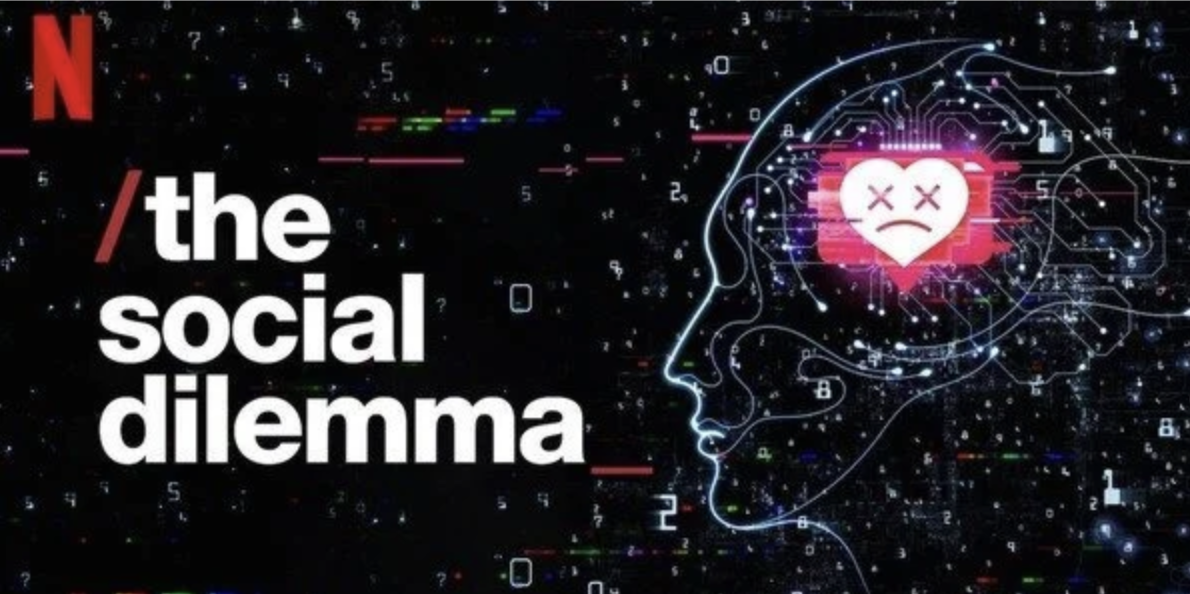
When The Social Dilemma hit Netflix in 2020, it shocked a ton of people. Viewers around the world suddenly saw how their favorite apps really work. The film featured former engineers and executives from Google, Facebook, and Twitter, who…
The Rise of the Digital Dilemma
When The Social Dilemma hit Netflix in 2020, it shocked a ton of people. Viewers around the world suddenly saw how their favorite apps really work. The film featured former engineers and executives from Google, Facebook, and Twitter, who described how these companies took apps meant for connecting with friends and turned them into huge money makers.
It all comes down to the business model. Social media companies don't make money from subscriptions or selling products. They make it from your attention. Every scroll, like, and share generates data that can be sold to advertisers eager to predict what users will do next. Just as Airbnb turned spare bedrooms into revenue, tech companies turned human behavior into currency. In 2023, Meta earned over $130 billion in advertising revenue, almost entirely from this “invisible” economy.
How the Model Works
Data is the core of social media’s profit engine. Every search or video you pause on helps build a detailed psychological profile that tells advertisers who a user is, what they believe, and what they might buy. According to Amnesty International (2020), this “surveillance-based business model” is what turns people's experience into something companies can sell. The longer users stay online, the more valuable that data becomes.
Algorithms continually learn from these patterns to keep users engaged. They pick what posts you see, which videos autoplay, and what kind of reactions they're trying to get out of you. Keeping you scrolling matters more than anything else, and since angry or shocking posts usually get more engagement than calm ones, that's what tends to show up. So users keep getting pulled further into their feeds, and the companies make more money the longer they stay.
The Product Is You
One of the film’s most quoted lines came from technologist Tristan Harris: “If you’re not paying for the product, you are the product.” It comes as a reminder that what seems free often comes at the cost of privacy and autonomy. Another line in the film that doesn't get talked about as much is from statistician Edward Tufte: “There are only two industries that call their customers ‘users’—illegal drugs and software.” The comparison sounds bad, but the reality is worse. Just like addictive substances, social media uses unpredictable rewards and psychological triggers to keep people returning.
According to the NYU School of Global Public Health (2020), these patterns have contributed to rising rates of depression and anxiety, especially among adolescents. A lot of studies point in the same direction: the more time teens spend on social media, the more likely they are to say they feel lonely, sleep badly, and have lower self-esteem. These apps are supposed to bring people together, but a lot of the time they just get people comparing themselves to everyone else, and scrolling for likes and approval all day can really wear on someone mentally.
Profits vs. Principles
When The Social Dilemma premiered, companies like Facebook (now Meta) quickly pushed back. They claimed the film painted an unfair picture, arguing that they had made major progress in areas like misinformation control and privacy settings. Facebook stated that it had “made significant investments in keeping users safe and informed.”
The numbers don't really back that up. Advertising still accounts for over 97 percent of Meta's total revenue. As Amnesty International (2020) points out, as long as profit depends on attention, change will remain limited. These platforms are built to reward whatever keeps users engaged, even when it's bad for them. It's hard to see Meta keeping people as engaged as possible and protecting their mental health at the same time, unless it changes how it makes money in the first place.
A Health Crisis in Disguise
The NYU Public Health report describes social media addiction as a “public health concern.” It connects increased online engagement to spikes in anxiety, sleep problems, and body image issues. Since the rise of social media around 2009, suicide rates for girls in the United States have climbed dramatically, increasing between 70% and 151% depending on age group, according to the Centers for Disease Control and Prevention.
It got even more obvious during the pandemic, when false information about masks and vaccines spread faster than real health updates. The same algorithms that show you ads for sneakers are also pushing content that turns people against each other and makes it harder to trust anything. As the film shows, algorithms aren't built to show you what's true. They're built to show you whatever gets the most clicks, and fake news and outrage get a lot of clicks. As one former executive in the documentary says, "The system is not broken—it's working exactly as designed."
The Push for Regulation
Critics argue that ethical tweaks won’t fix a business model built on manipulation. Amnesty International (2020) calls for an end to surveillance-based advertising altogether, saying it violates privacy and human rights by default. Governments around the world are slowly catching up. The European Union’s Digital Services Act aims to make algorithms more transparent, and the U.S. has seen growing debate over data privacy laws.
Still, as Forbes (2020) points out, getting rid of the engagement economy won’t happen overnight. The article argues that the answer could be "human-centered design," where platforms make a profit through trust and meaningful connection rather than by grabbing people's attention without them noticing. It calls for shifts toward models that emphasize transparency, subscription-based access, or decentralized control. Whichever tech company figures out how to do the right thing and still make money could end up leading the whole industry.
The Future of the Attention Economy
Artificial intelligence is already changing how platforms operate. Social media companies use it to personalize feeds, predict trends, and moderate content. Some also use it to target ads more precisely than ever before. Going back to the Airbnb example, Airbnb had to figure out how to grow without losing its personal feel, and tech companies now have to figure out how to keep innovating without getting people even more hooked.
Tristan Harris warns that unless change happens, the next generation will inherit a world “where truth is no longer profitable.” The path forward could be changing the definition of success, so it's about better engagement instead of just more of it. Companies could reward authenticity, make their algorithms more transparent, and allow users to control their own data. As Forbes (2020) put it, “There is a way out, but it requires the same creativity and courage that built these platforms in the first place.” The future of social media may depend on whether Silicon Valley chooses to put its users' well-being over profit.