Macroeconomy
The Fed Holds Rates: Navigating a Higher-Rate Economy
Why are interest rates elevated, what is making inflation so sticky, and how should individuals and businesses tackle this higher-rate environment?
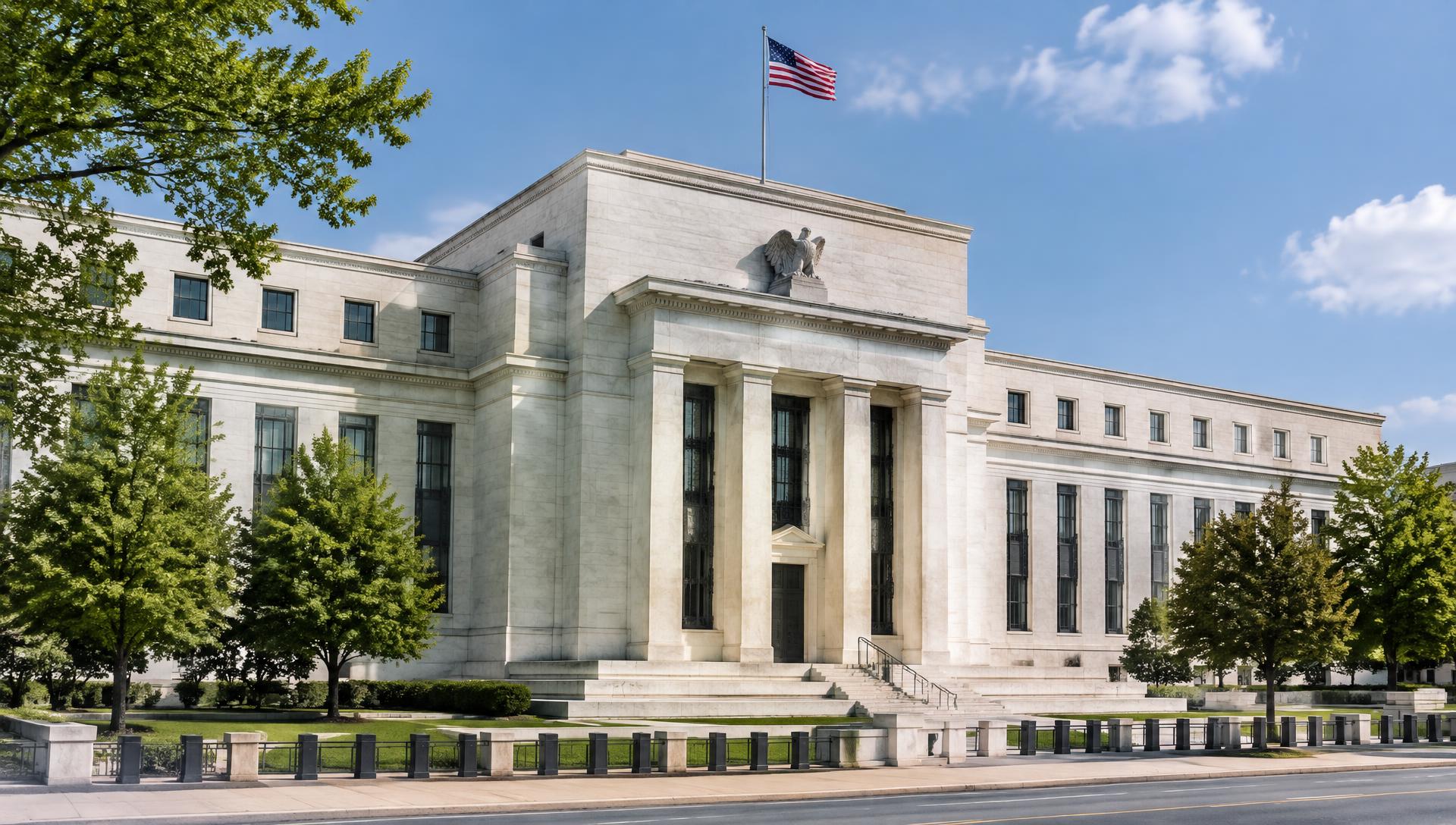
On Oct. 28, the Federal Open Market Committee (FOMC) decided 10-2 to maintain an interest rate range of 3.75-4.00 percent. The decision to maintain the range follows a rate hike on Sept. 16 which raised rates for the first time in over three years.
The decision to maintain rates at the current range reflects a growing tension between the Federal Reserve's commitment to controlling inflation and political pressure to lower borrowing costs. Fed Chair Kevin Warsh — appointed by Donald Trump in May of 2026 — has maintained that bringing inflation back to the Fed's two percent target remains a priority, despite Trump's repeated calls for interest rate cuts.
With inflation remaining elevated, and with two FOMC members dissenting and advocating for another hike on Oct. 28, the Fed faces a difficult balancing act: raising rates to make progress in addressing one component of their dual mandate, or succumbing to political pressure to loosen policy to potentially help further stimulate economic growth.
Ultimately, individuals and companies are then left facing these questions: why are interest rates elevated right now, what is making inflation so sticky, and how should individuals and businesses tackle this new, higher-rate environment.
Overview of the Federal Reserve and the FOMC
The FOMC is a Federal Reserve committee tasked with determining monetary policy for the US through several tools, including open market operations and the setting of key interest rates. Though the "Fed" technically refers to the broader Federal Reserve System, this group consists of 12 voting members — the seven members of the Board of Governors of the Federal Reserve System; the president of the Federal Reserve Bank of New York; and four of the remaining eleven Reserve Bank presidents, who serve one-year terms on a rotating basis.
The FOMC, like the broader Federal Reserve System, is tasked with upholding the dual mandate of maintaining stable prices (which the FOMC defines as two percent annual inflation, measured by the Personal Consumption Expenditures price index) and promoting maximum employment.
The FOMC holds eight meetings a year, in which they determine the target range for the federal funds rate (FFR) — often referred to as the Fed setting rates. The FFR is the rate at which banks and other eligible institutions lend reserves to each other overnight to balance their books. This target range, typically with a spread of 25 basis points, is maintained through several tools.
The Interest on Reserve Balances Rate (IORB), which the Fed pays banks to hold reserves, is the Fed's primary tool for steering overnight lending rates, while the overnight reverse repurchase (ON RRP) rate helps establish a floor. The discount rate, which banks pay to borrow directly from the Fed, helps limit how high borrowing costs can rise. The Fed also uses open market operations — buying and selling government securities like bonds — to manage the supply of reserves in the banking system.
By using these tools, the Fed can effectively influence borrowing costs throughout the economy. Raising rates makes borrowing more expensive for banks, businesses, and consumers, discouraging lending, spending, and investment. This is why raising rates is a tool to fight inflation: by slowing economic activity, the Fed can cool demand and relieve upward pressure on prices.
The opposite is true as well. Lowering rates makes borrowing cheaper, encouraging spending and investment to stimulate an economy that has slowed.
Where Things Stand Today
The Fed originally raised rates 25 basis points in September as inflation has remained elevated. The Personal Consumption Expenditures (PCE) price index — the Fed's preferred measure of inflation — rose 3.6% year-over-year in September which is up from 3.4% in August and well above the Fed's two percent target.
Several factors are driving these price increases. First, the ongoing war in Iran has disrupted global energy markets, raising oil prices and, in turn, the costs of gasoline, diesel, and transportation. These higher costs are often passed along to consumers as businesses face more expensive shipping and production costs.
At the same time, strong consumer spending and a surge in capital investment, particularly in AI infrastructure, are keeping economic activity elevated. As Reuters reported following the Fed's October decision, some policymakers are concerned that this combination of strong demand and higher energy costs could keep inflation above target.
Yet, the September rate hike is beginning to have an impact — something Warsh acknowledged in his October 28 press conference. He said that financial and credit conditions have tightened for some businesses and households, while investors have become more selective in how they allocate capital. It is worth noting that Warsh stopped short of calling overall financial conditions tight, suggesting that the effects of the Fed's recent actions are still developing.
The data needed to fight this inflation is still developing as well with the same inflationary pressures continuing to face the country a month and a half later. A prolonged geopolitical risk premium on Brent crude might exist even after things are resolved in the Middle East, keeping fuel and transportation costs elevated and making it more difficult for inflation to return to the Fed's target.
The concern is that higher energy prices could spread into other parts of the economy as well, with businesses raising prices to offset increased costs. This is particularly difficult for the Fed because higher interest rates can slow consumer demand, but they cannot directly resolve disruptions to global energy supplies or the risk put on geopolitical tensions.
So, why didn't the Fed raise rates again this month? Warsh's argument was that the committee needs more information before determining whether another hike is necessary.
Although unemployment remains relatively low and economic growth is strong, the Fed wants to see how the September increase affects borrowing, spending, and inflation. In his press conference, Warsh emphasized that bringing inflation down is not about reacting to a single economic report or meeting date.
Rather, the Fed is evaluating whether its current policy is sufficiently restrictive to bring inflation back toward two percent without unnecessarily slowing economic growth. With two FOMC members voting for an additional hike in October, the possibility of another increase before year-end remains open.
The Path Forward
For businesses and consumers, planning around potential rate hikes is something worth doing. Goldman Sachs Chief Economist Jan Hatzius expects another 25-basis-point hike in December, although he believes continued improvements in inflation could convince the Fed to hold rates instead. With borrowing costs already elevated, businesses and consumers must consider how another hike could affect their finances.
For businesses, higher rates mean a higher cost of capital. Companies looking to borrow to finance new projects, expand operations, or acquire other businesses will face more expensive financing. This is particularly challenging for companies with floating-rate debt or existing loans approaching maturity, as refinancing at higher rates can increase interest expenses and reduce cash flow.
Businesses may have to delay investments, reduce spending, or prioritize paying down debt. On the other hand, companies with strong balance sheets and significant cash reserves may find opportunities to acquire assets or competitors that are struggling with higher borrowing costs.
For consumers, the effects are pretty similar. Higher rates can make mortgages, auto loans, and credit card debt more expensive, leaving households with less disposable income.
Mortgage rates, which are more closely tied to long-term Treasury yields than the Fed's overnight rate, have already risen alongside broader borrowing costs. According to Yahoo Finance, mortgage rates have recently exceeded seven percent, while average credit card rates remain above 22 percent.
However, higher rates also create opportunities for savers, as high-yield savings accounts, money market funds, and newly issued bonds can offer more attractive returns.
Looking ahead, several indicators will be important for people and businesses to watch. Inflation reports, particularly PCE and CPI, will show whether higher energy prices are continuing to spread through the economy. Employment data will help determine whether the labor market is weakening as borrowing costs rise. Finally, oil prices and long-term Treasury yields will be important in determining whether businesses and consumers face sustained pressure even if the Fed stops raising rates.
The Fed's next meeting on December 8–9 will give a clearer picture of where monetary policy is headed. Whether rates rise again or remain unchanged, the challenge for businesses and consumers will be managing higher financing costs while inflation continues to put pressure on everyday expenses.