
Business
Has the Price of Attending College Football Games Become Out of Control?
As programs chase revenue to cover NIL, revenue sharing, and stadium upgrades, gameday costs are soaring — and the most loyal fans risk being priced out.
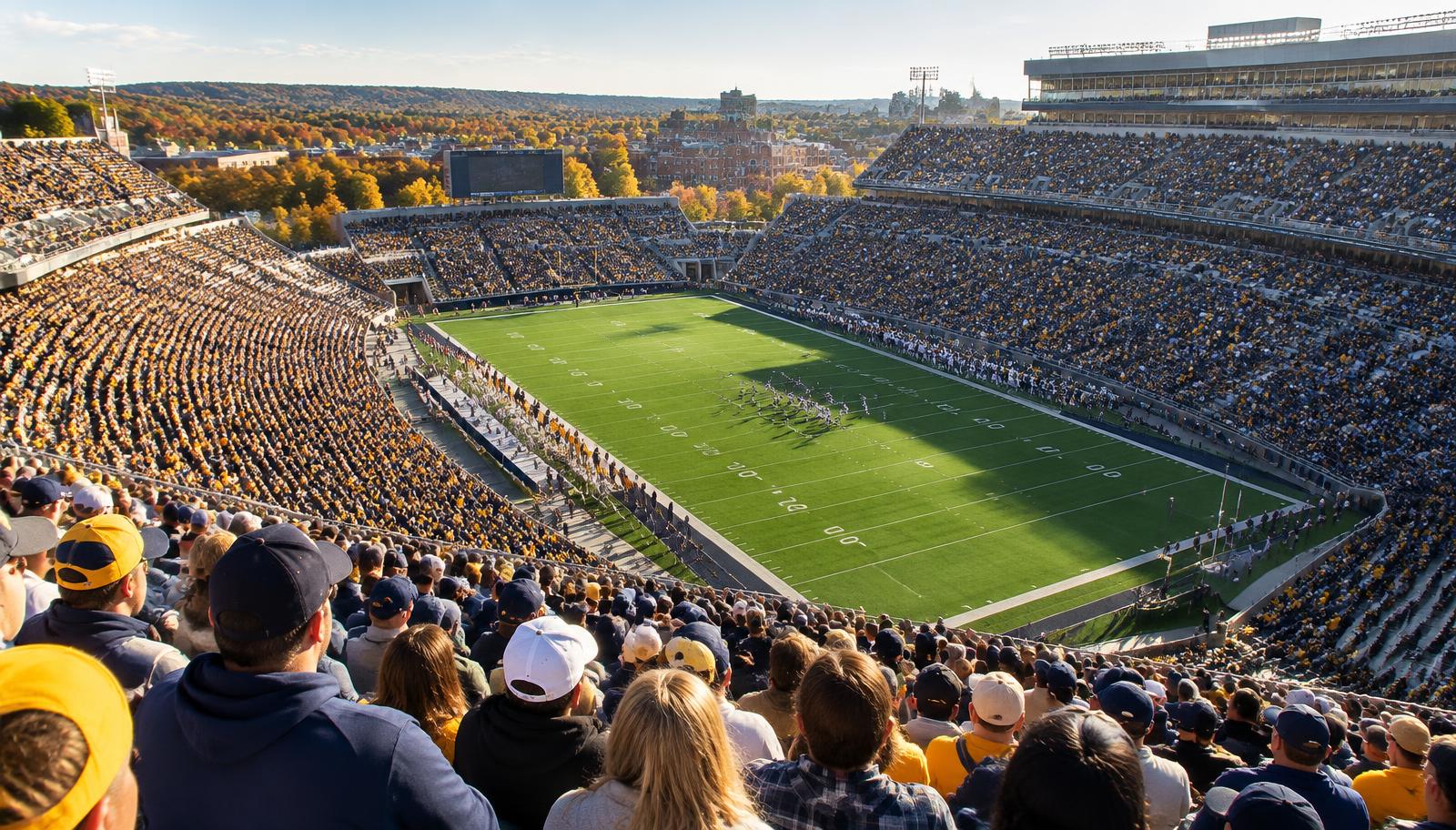
For many, it's hard to top a sunny Saturday afternoon fall football game, the atmosphere, the tailgate, and best of all watching your school compete in America's sport. However, in today's climate, many find themselves priced out of their favorite team's game. In 2026 alone, prices for the gameday experience across the SEC rose as much as 64% for the University of Tennessee at Knoxville, and 45% for the University of Texas at Austin football games. As programs look to recoup the losses they face from NIL compensation, revenue sharing, and stadium upgrades, fans are increasingly left paying skyrocketing prices. College football has always been about more than what happens on the field. It is the pinnacle of the American sports world and a place where alumni, students, and fans alike come together to cheer loudly and enjoy a Saturday afternoon. However, one major question arises: As the cost of attending a college football game rises, is college football becoming a luxury to watch and outpricing its real fans?
From a strictly economic perspective, the rise in prices is not necessarily surprising. As college football becomes more popular, the demand for tickets increases. With increased demand and limited seats available, athletic departments are incentivized to raise prices and capture more of the revenue that fans are willing to pay. Schools are also facing new financial pressures in the form of NIL, revenue sharing, and facility upgrades. With these added pressures college football programs are required to find new streams of revenue. While these expenses are real, and a necessary cost of running a competitive Division I college football program, the question of how much of the financial burden fans should bear.
The aspect that makes college football fans particularly vulnerable to price increases is their emotional connections to their respective schools. For many, football is the epitome of the college experience, and this deep emotional connection makes alumni, students, and fans alike more willing to pay incredibly high prices. However, as the price of the gameday experience continues to rise, many of the most loyal fans are being outbid by wealthier consumers looking for an enjoyable way to spend a Saturday afternoon. The result is a shift in the atmosphere of college football, as the rowdiest and most passionate fans are replaced by a more subdued and impartial fanbase. While schools might continue selling tickets today, that doesn’t necessarily mean their pricing strategies are sustainable over time. Furthermore, although this is not a problem at every school, skyrocketing prices could eventually push even college football's most dedicated fans to the breaking point at which it is no longer worth the cost to attend games. Even if schools continue to find consumers willing to pay higher prices, they risk weakening the very fan culture that built college football into what it has become today.
The immense financial pressures facing athletic departments across the country help explain why many schools are turning increasingly towards fans for additional revenue. A 2026 report from the Government Accountability Office found that D1 programs across the country spent 20.8 billion dollars during the 2023-2024 academic year with only $13.1 billion dollars in revenue, a $7.7 billion dollar loss on athletics as a whole. In fact, 94% of D1 programs reported higher expenses than money generated from their athletic programs, with a $20.6 million dollar median loss for all programs. These negative figures pose a major threat to collegiate athletic programs, and with the recent addition of NIL, revenue sharing, and the increasing costs of modernizing facilities and hiring staff, athletic programs are increasingly relying on their large and consistent football fan bases to cover the costs of not only running an elite football program but also supporting other athletic programs.
Another pressing concern is the uneven demand for college football across the country. While schools in conferences like the SEC and much of the BIG Ten have large and loyal fan bases willing to keep up with the constantly rising ticket prices, many other programs struggle to fill their seats. A successful team does not guarantee attendance. Attendance is the combination of many factors, including ticket prices, location, competing entertainment options, and team performance. This creates a dilemma for many programs as they look to compete on a national circuit. Schools need to raise ticket prices to remain competitive, but it doesn’t work if fans are simply unwilling or unable to pay. The economic concept of price elasticity is incredibly important for understanding ticket pricing. At schools with highly devoted fan bases, demand for tickets may be relatively inelastic, explaining why Texas and Tennessee for instance are able to fill their huge stadiums even as the price of a gameday experience rises. Meanwhile, at schools with weaker attendance demand for a ticket may be more elastic, meaning that even a relatively small increase in price could lead to a noticeable decline in ticket sales. This largely explains why the pricing strategies at Texas and Tennessee are impractical for programs already struggling to attract fans.
Ultimately, college football programs are walking a fine line between keeping their fans happy, and generating the necessary money to compete at the highest level. As athletic programs continue to require more funding each year schools are going to be forced to decide between finding alternative forms of revenue, or continuing to drive out its fans. Fans being part of the larger economic model are also not an unlimited source of revenue. Schools must continue to adjust their prices to find one that maximizes profit without alienating the people who make college football what it is. Ultimately, the true value of college football is not measured by how much money schools can make, but by the fans who fill the stadium, create the atmosphere, and make college football worth watching. A Saturday afternoon isn’t complete without watching 100,000 strong yell and cheer their team on for 60 minutes straight.