
Macroeconomy
Locked Out: Why the Housing Market Is Looking Increasingly Bleak for Generation Z
For Generation Z, the American dream of homeownership is becoming increasingly difficult to achieve due to a market defined by scarce inventory, expensive mortgage rates, and a government that has struggled to deliver a long-term solution.
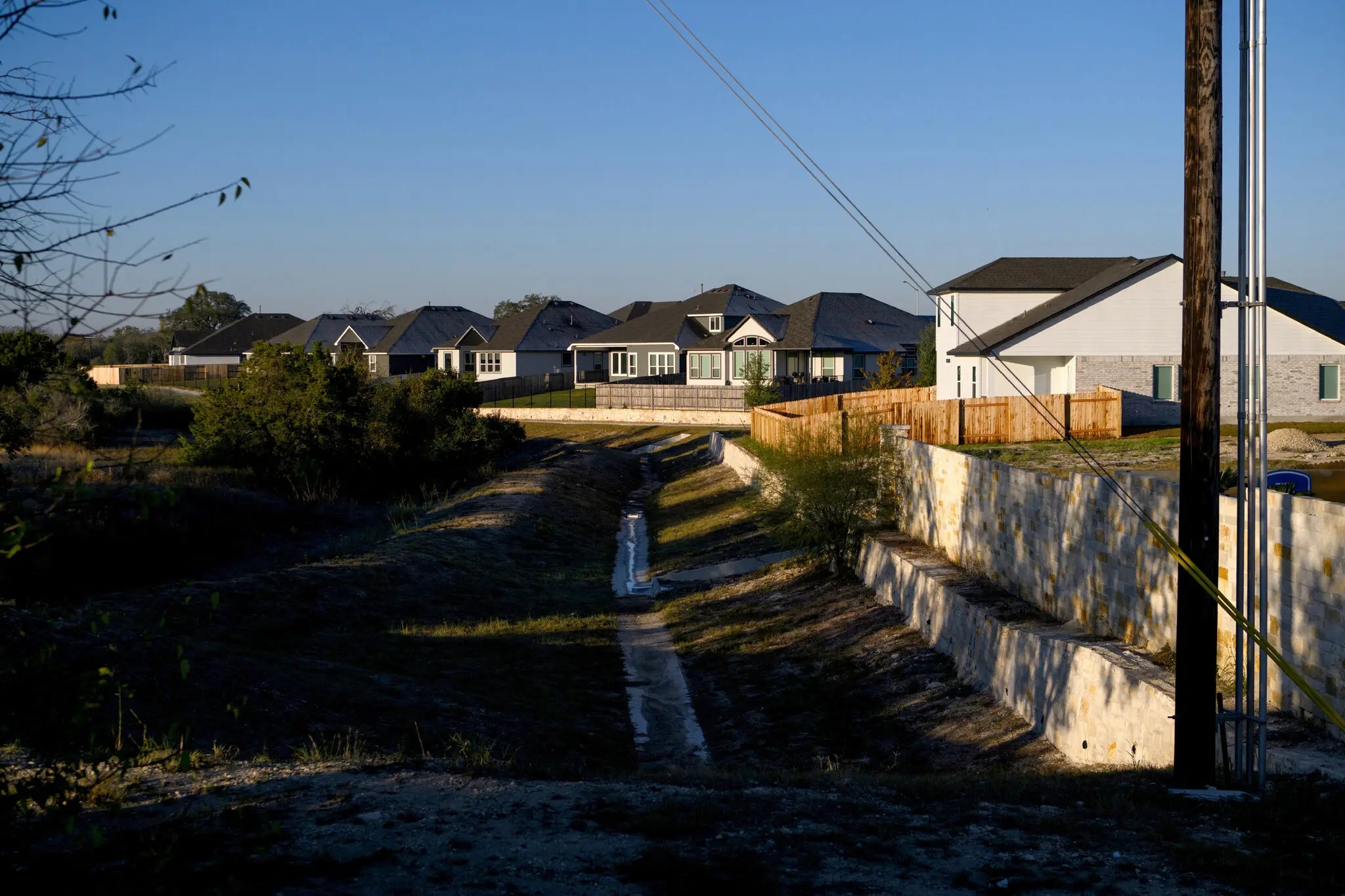
The American dream of homeownership has always been a goal of many aspirational young adults; moreover, it is something you work toward, save for, and eventually achieve. For Generation Z, that dream is becoming increasingly difficult to achieve due to a market defined by scarce inventory, increasingly expensive mortgage rates, and a government that has struggled to deliver a long-term solution to this crisis. The data tells a saddening story, as the housing market has never been less welcoming to first-time buyers, and Gen Z is entering at the worst possible moment.
A Record-Low Entry Point
Starting with the headline number, according to the 2026 Home Buyers and Sellers Generational Trends Report from the National Association of Realtors (NAR), the share of first-time homebuyers fell to just 21% of all homebuyers last year, which is down three percent from the prior year and the lowest percentage recorded since the NAR began collecting this data in 1981. Just to reframe these statistics, when you boil it down, nearly four out of every five homes sold last year went to someone who already owned one.
For Gen Z, this trend is not only frightening, but it also carries particular weight, as the oldest members of Gen Z are now 26 years old, and the window to maximize homeownership benefits is closing faster than Gen Z may realize. Individuals who purchase their first home by age 32 tend to accumulate a 22.5% higher net worth by age 50 compared to those who wait until their 40s. Whether that wait is forced due to a lack of supply of housing or an affordability problem, that gap is certainly not trivial, as it is the difference between financial stability and generational wealth. The longer Gen Z is locked out of the market, the more expensive and consequential that delay becomes.
Additional Net Worth at Age 50 Linked to Early Home Purchase (based on sample mean net worth of $530K at age 50): Ages 28-32: +22.5% (+$119,000). Ages 33-37: +11.2% (+$59,000). Ages 38-42: +1.5% (+$8,000). Ages 43-52: +0% ($0). Source: Realtor.com
Who Is Actually Buying Homes?
To understand why Gen Z is struggling, it helps to understand who is on the opposite side of this crisis. According to the NAR Deputy Chief Economist, Dr. Jessica Lautz, baby boomers accounted for an impressive 42% of all homebuyers last year and 52% of all sellers. Logically, the baby boomers are not a generation fueled by income, as they are reaching the prime age of retirement, ranging from 61 to 79 years old. If we were to split the baby boomer generation into two sections, they would rank fifth and sixth among all generations in median household income. This statistic may seem surprising based on their dominance in the housing market, but when you take a look under the microscope, their dominance is powered by equity, which is something far more potent in today's market.
Boomers are currently sitting on nearly $19 trillion in home equity. That mass of accumulated wealth gives them the ability to make larger down payments, avoid heavy financing, and outcompete younger buyers who are not fortunate enough to hold the same amount of equity and are entirely dependent on mortgages. The contrast is clear, as only 61% of boomers had to finance the purchase of their home, compared to an insane 97% of younger millennials, being the highest financing percentage of any generation. You may have thought that Gen Z would have the highest financing percentage, but as the oldest age of Gen Z is 26 years old, they are practically infants in the housing market, as they made up just 4% of all homebuyers last year, a slight uptick from 3% the year prior. Due to this fact, Gen Z was a close second with financing a median of 91% of their home's purchase price.
The Mortgage Math Does Not Work
Knowing that younger generations are heavily reliant upon the option to finance the purchase of their homes, the crisis starts to seem more dire when you factor in mortgage rates and home prices. The average 30-year fixed mortgage rate in 2025 started at 7.1%, stayed above 6.5% for most of the year, and only got down to about 6.1% by the end of the year. During that same period, the national median list price of homes hovered between $400,000 and $450,000.
For a Gen Z first-time buyer relying on a minimal 9% down payment, the median for the generation, that comes out to a monthly mortgage payment of roughly $2,700. On the other hand, a baby boomer with high equity could put down 35% of the same home and pay just $1,700 per month, because they have the option to liquidate more assets, especially if they already own a home they have built up over time. That is a $1,000 monthly difference, or $12,000 per year, simply because one generation had the advantage of buying earlier. Looking at it plainly, this is not a fair competition; rather, it is not a competition at all, but more of a flat-out structural mismatch.
A Supply Crisis Decades in the Making
The demand-side pressure from high mortgage rates might be solvable if the supply side were healthy, but sadly, it is in a horrible state. The United States has failed to build enough homes for nearly two decades, resulting in a lack of as many as seven million housing units. That shortage is the primary driver of the 55% surge in home prices since the pandemic began, according to the National Association of Home Builders.
Congress has started to act quickly in response to this crisis, as in October, the Senate passed a set of bills that would make it easier for communities to build more housing by lowering regulatory barriers. By December, the House Financial Services Committee passed a comparable package that could establish a national building code, which is a big change from the fleet of local codes that make construction processes longer and more complicated. With leadership from both parties expressing optimism about its passage, the House expects a full vote.
Although Congress is making progress, advocates for this package are temperate in their expectations. Even David M. Dworkin, the president of the National Housing Conference, said, "The most notable achievement of passing housing legislation will be that we successfully enacted housing measures for the first time in a generation." Here, Dworkin acknowledges that even though there is tons of momentum behind this package, the policy clock runs far slower than the market one.
On the other hand, President Trump has largely focused on the demand side of the crisis, making efforts to lower borrowing costs and expand access to retirement savings for buyers. Economists warn this approach could backfire; increasing buyer demand without fixing supply constraints could potentially hike home prices even higher.
The median age of owner-occupied homes in the U.S. is now 40 years, highlighting how desperately we need an update of the existing housing market. For Gen Z, that update cannot come soon enough, as every year spent outside the housing market is another year of deferred equity or another year increasing the wealth gap between generations. The door to homeownership for Generation Z is not permanently shut, but until housing supply catches up, mortgage rates come down, and Congress makes serious progress on the legislation front, that door remains barely cracked open.