Business
Bank of America's $1.2 Billion Lesson
The nation's second-largest bank admitted to years of missed red flags. The fine is big, but the real cost may be what comes next.
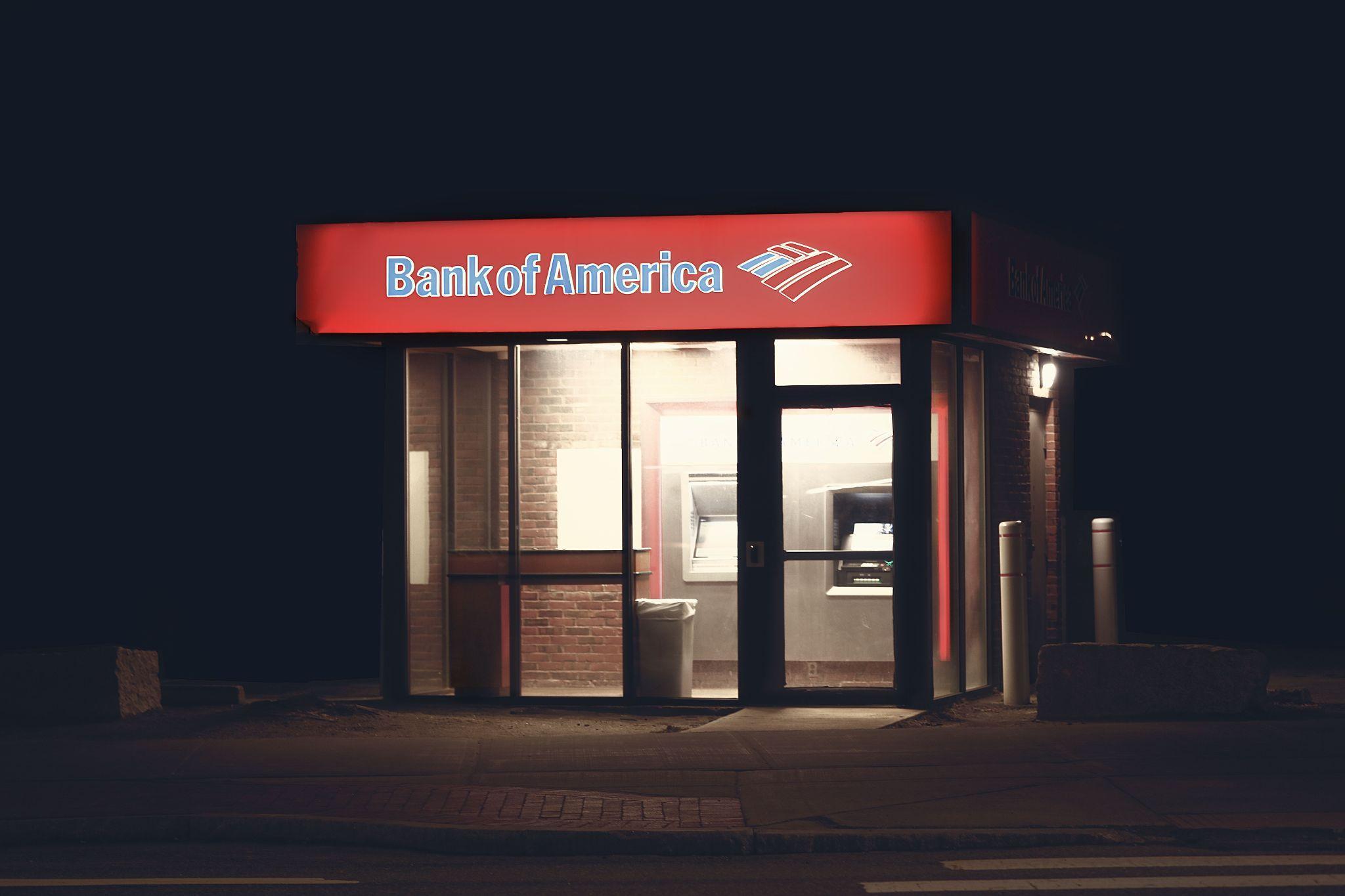
Banks are supposed to be the first line of defense against dirty money. Last week, federal regulators said Bank of America fell short of that job for years.
On October 13, the Treasury Department hit Bank of America with $1.2 billion in penalties for failing to catch and report suspicious transactions. Regulators said the bank failed to report, or reported late, more than $5 billion in suspicious activity. More than $1 billion of that was tied to what the Treasury considers national security risks, including Chinese money laundering networks, fraud, and illegal activity along the U.S.-Mexico border.
The bank did not fight the charges. As part of the settlement, Bank of America admitted that it willfully violated the Bank Secrecy Act, the main U.S. law requiring banks to monitor customers and flag suspicious activity.
What the Bank Got Wrong
Every large bank runs software that scans transactions and flags anything that looks unusual, such as large transfers to high-risk countries or patterns that suggest someone is hiding where money came from. When something is flagged, the bank is required to investigate it and file a Suspicious Activity Report with the government.
According to regulators, Bank of America's system had serious gaps. CNN reported that its sanctions-screening filter had a design flaw that kept it from properly prioritizing certain potentially prohibited transactions. Regulators also said the bank put revenue ahead of compliance and limited the resources devoted to catching bad actors, at times relying on law enforcement to spot problems it should have found itself.
Scale made the problem worse. Bank of America processed more than $9 trillion in transactions last year. When a system that large has weak spots, billions of dollars can slip through.
How Big is the Fine?
The $1.2 billion penalty is the third-largest in the history of FinCEN, Treasury's anti-money-laundering unit. Only Binance, the crypto exchange, was fined $3.4 billion in 2023, and TD Bank, fined $1.3 billion in 2024, paid more. A $750 million portion came from the Office of the Comptroller of the Currency, which supervises national banks. That is the largest penalty the OCC has ever issued.
For a bank of Bank of America's size, $1.2 billion will not threaten its survival. The bank still earned $6.9 billion in the third quarter. But that profit was down about 17% from a year earlier because of the charge, and the bank cannot deduct the fine from its taxes. Its stock fell about 4.8% the day after the announcement.
The Bigger Cost
The fine is a one-time hit. The longer-term costs could matter more.
As part of the settlement, Bank of America must hire an outside firm to go back through old transactions and find suspicious activity it missed. It also has to submit to independent reviews of how it monitors transactions and checks its customers. That means more compliance staff, more technology spending, and closer oversight from regulators for years to come.
There is also legal risk. Within a week of the announcement, at least one law firm announced it was investigating whether the bank misled shareholders about its controls. Shareholder lawsuits often follow major regulatory penalties.
Why it Matters
The case is a reminder that the biggest banks are expected to police the financial system, not just profit from it. Regulators warned Bank of America about these issues two years ago, and according to the New York Times, suspicious transactions kept flowing anyway. Treasury Secretary Scott Bessent framed the penalty as proof that even the largest banks are not above the law.
For the rest of the industry, the message is simple: cutting corners on compliance can save money in the short run, but it can cost far more when regulators catch up. For Bank of America, the next few years will be about proving it has fixed the problem. Investors and regulators will both be watching.